
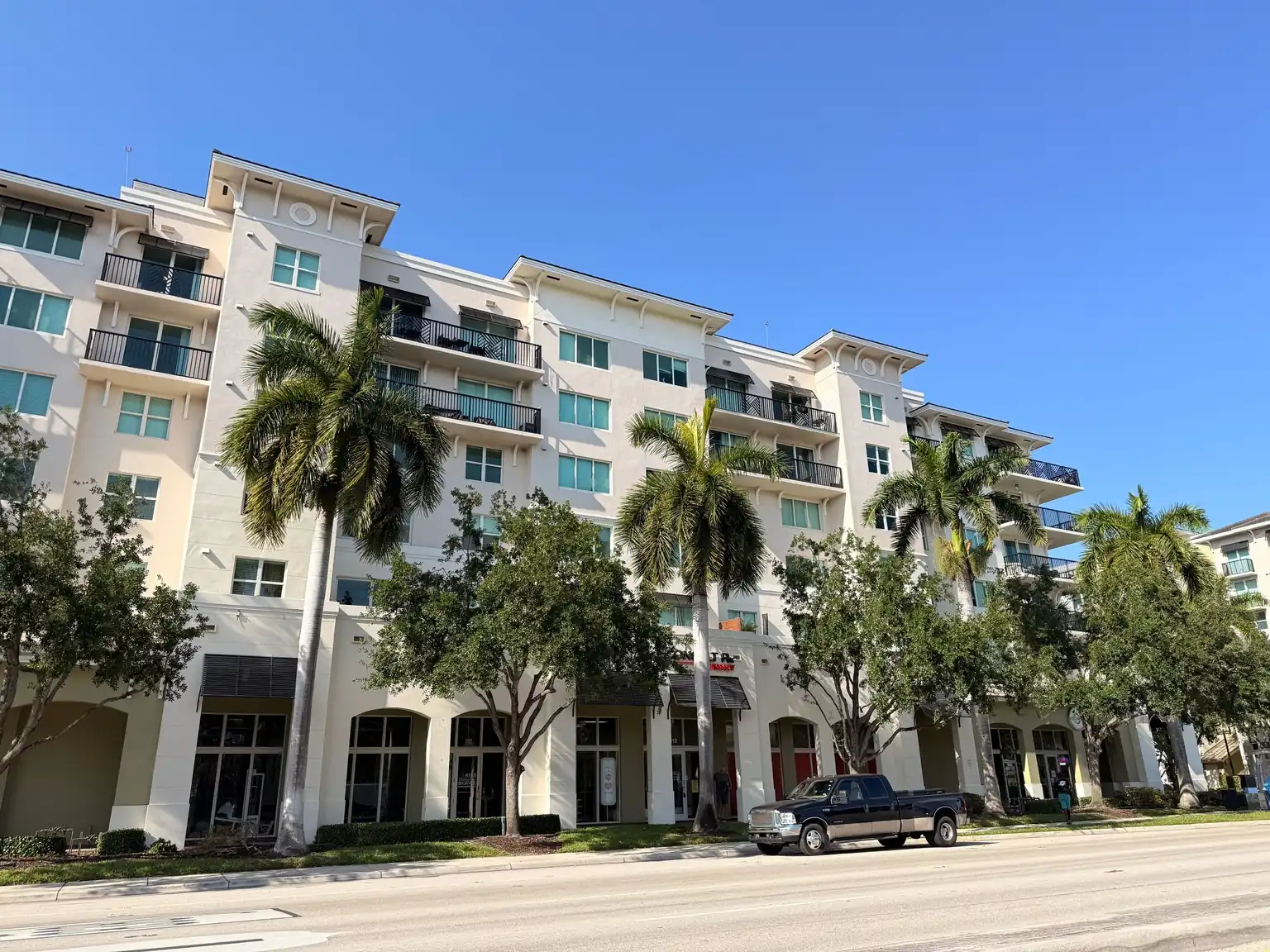
Condo bylaws are the written rules that set how a condominium association operates. They cover the board, officers, meetings, budgets and how the bylaws themselves change. Three documents govern a condo. The table shows how this one differs from the other two.
| Document | What it sets | Where a statute says so |
|---|---|---|
| Declaration | The legal description of the condo and the use restrictions meant to be enforceable | California Civil Code Section 4250 |
| Bylaws | How the association is administered: officers, board, meetings and amendments | Florida Statutes Section 718.112(2); Massachusetts General Laws Chapter 183A, Section 11 |
| Operating rules | Day-to-day policies the board adopts, which must be in writing and reasonable | California Civil Code Section 4350 |
On this page
Where can I get a copy of my condo bylaws?
Ask the association or its manager first, because the bylaws are part of the association’s official records and a buyer can request them before closing. The recorded version is also on file at the county recorder’s office.

Florida’s condominium act, Chapter 718 of the Florida Statutes, lists a copy of the recorded bylaws and each amendment among the records the association must keep. Section 718.111 opens those official records to inspection by any association member at all reasonable times.
California’s Civil Code Section 4525 requires a seller to give a prospective buyer a copy of all the governing documents. That duty comes before the transfer of title.
States also set deadlines for answering an owner’s records request. The table lists the condo deadline in 14 states. Several set none.
| State | Deadline for a condo records request | Statute |
|---|---|---|
| Arizona | 10 business days | A.R.S. 33-1258(A) |
| California | 10 business days for current-year records | Civil Code 5210(b) |
| Colorado | 30 calendar days | C.R.S. 38-33.3-317(4.5) |
| Florida | 10 business days | Fla. Stat. 718.111(12) |
| Georgia | Not set in the Condominium Act | Georgia Condominium Act |
| Illinois | 10 business days | 765 ILCS 605/19(b) |
| Maryland | 21 to 45 days for delivered copies | Real Property 11-116(c) |
| Nevada | 21 days for financial statements, budgets and reserve study | NRS 116.31175 |
| New Jersey | No day count verified | N.J.S.A. 46:8B-14(g) |
| North Carolina | No inspection deadline set | N.C. Gen. Stat. 47C-3-118 |
| Ohio | No day count set | Ohio Rev. Code 5311.091 |
| South Carolina | No day count set | S.C. Code 27-31-180 |
| Texas | No day count in Chapter 82 | Tex. Prop. Code Chapter 82 |
| Virginia | 10 business days | Va. Code 55.1-1945(B) |
Each entry is the statutory default for condominiums, last checked September 24, 2026. A licensed attorney in your state can confirm how these rules apply to a specific association.
Condo bylaws vs rules and regulations
Bylaws govern how the association operates, and rules govern daily use of the building. The bylaws rank higher. California’s Civil Code Section 4205 says the declaration and the bylaws prevail over the operating rules, so a rule that conflicts with either document gives way.
Rules change more easily than bylaws. Section 4360 requires 28 days of notice before the board changes a rule, and Section 4365 also lets members owning 5 percent of the units call a vote to reverse it.
The declaration is covered on the CC&Rs page, and Homeowners Association Bylaws Sample shows a sample set. For how a board follows its own meeting procedure, see the guide to Robert’s Rules for boards. More on how boards operate is in the governance guides for HOA boards.
What are the legal rights of a condo owner in Massachusetts?
A Massachusetts condo owner’s rights come from Chapter 183A of the General Laws, which ties each owner’s say in the owners’ organization to the unit’s share of the common areas. Each unit owner holds the same percentage interest in the organization as in the common areas. The interest never separates from the unit.
Section 6 generally assesses common expenses against all units by their percentage interest, and the organization holds a lien for unpaid assessments, and Section 11 requires the bylaws to state how rules are adopted and amended. Approval and governance questions turn on each building’s documents.
Are condo bylaws legally binding?
Yes, condo bylaws are legally binding on the association and its owners once adopted under the statute, and an owner cannot simply ignore them. California’s Civil Code Section 5975 says an association may enforce a governing document against an owner, and Massachusetts Section 10 lets the owners’ organization conduct litigation to enforce its by-laws and administrative rules.

Florida goes one step further. Section 718.112(2) says the document is deemed to contain the required provisions even when it omits them. A conflicting provision is not binding. The law prevails over the governing documents. Owners who want to challenge a provision can ask a licensed attorney in their state how it applies.
What are my rights as a condo owner?
An owner’s rights come from three layers: state law, the declaration and the bylaws. The statute usually sets a floor, and the documents add detail.
Three rights appear across states: access to association records, notice of meetings and a vote on board elections.
California’s Civil Code Section 5100 requires a secret ballot for board elections, and Section 5855 requires 10 days of written notice before the board meets to discipline an owner. The owner has the opportunity to cure the violation first.
Owners also take on duties. Two examples are paying assessments and following restrictions on the use of the unit. The page on how condo ownership works explains how ownership of the unit and the shared property fit together.
What are the bylaws for a condo?
Condo bylaws cover how the association is administered, including its officers, board, meetings, budget and the method for amending them. Florida’s Section 718.112(2) lists the required provisions, and the bylaws are deemed to include them if they are silent. Massachusetts lists its own required items in Section 11.
Typical contents include the following.
- The officers and board, with their powers, duties and manner of selection and removal
- How members are noticed and how they vote at meetings
- How the budget is adopted and how assessments are collected
- Who handles maintenance, repair and replacement of the common elements
- The method for amending the bylaws
Florida adds a default for the board. Absent a bylaw provision, the board has five members, unless the condominium has five or fewer units.
In practice: a records request and an amendment
Take a 40-unit Florida condominium whose bylaws are silent on how they change. An owner who wants a copy asks in writing. The association has 10 business days to answer under Section 718.111(12). Later the board proposes an amendment. Two-thirds of the 40 voting interests must approve it, which means at least 27 units. Both numbers can be checked against the statute before the vote.
Condo bylaws questions
These are the questions owners ask most often about condo bylaws, answered from the statutes cited above.
Can condo bylaws be changed?
Yes, condo bylaws can be changed, and the bylaws themselves must state the method, usually a vote of the members. If they fail to, Florida’s Section 718.112(2)(j) lets owners of at least two-thirds of the voting interests approve a change. A proposed amendment must show the full text of the bylaw it changes.
Are condo bylaws public record?
Often yes, because Florida’s Section 718.111 lists the recorded bylaws and every amendment among the official records that members may inspect. A copy can also be requested from the county recorder. Check the association’s own rules for how to ask.
Educational information, not legal advice. See the disclaimer.
Sources
- Chapter 718 of the Florida Statutes (leg.state.fl.us)
- Section 718.111 (flsenate.gov)
- Civil Code Section 4525 (leginfo.legislature.ca.gov)
- Civil Code Section 4205 (leginfo.legislature.ca.gov)
- Section 4360 (leginfo.legislature.ca.gov)
- Section 4365 (leginfo.legislature.ca.gov)
- Chapter 183A of the General Laws (malegislature.gov)
- Section 6 (malegislature.gov)
- Section 11 (malegislature.gov)
- Civil Code Section 5100 (leginfo.legislature.ca.gov)
- Section 5855 (leginfo.legislature.ca.gov)
- Section 718.112(2) (flsenate.gov)